A newly circulated government record connected with investigations around Utah’s Skinwalker Ranch has renewed attention on how unusual claims are documented, tested and interpreted. The file, released in October 2026 among government material concerning unidentified anomalous phenomena, recounts a 2010 contractor inquiry that included reported animal encounters and a physical sample. A follow-up public analysis published on October 30 focused on the evidence trail rather than treating the accounts as proof of an extraordinary creature.
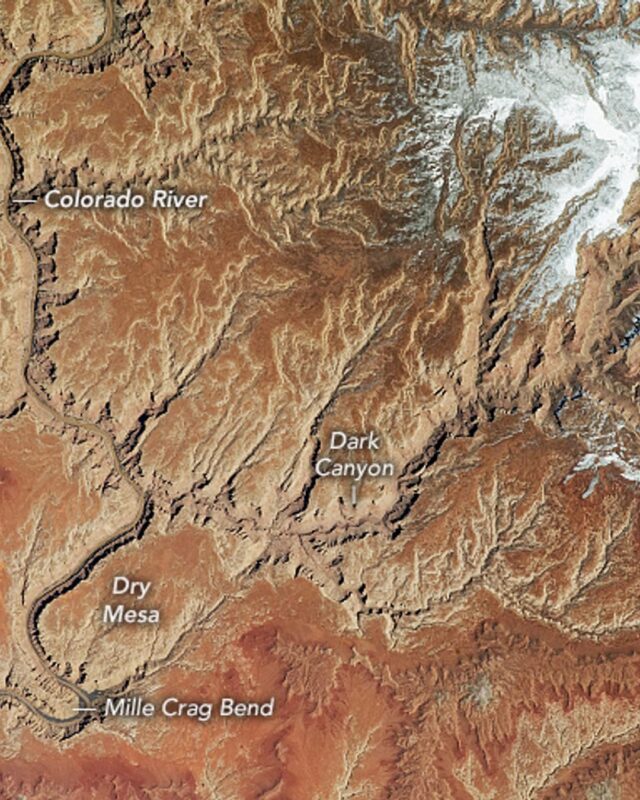

Skinwalker Ranch is a privately owned property in northeastern Utah associated in popular culture with stories about unusual lights, animals and other unexplained occurrences. The setting has drawn investigators, entertainment productions and speculative theories for decades. That public reputation is not equivalent to independent confirmation of paranormal activity. Reliable evaluation requires separating what a witness reported, what an investigator recorded and what any physical test actually established.
In the discussed file, an apparent biological clue was examined after a witness account of an unusual animal. According to the document analysis, the tested hair did not establish an unknown species: identifications were consistent with familiar animals, including dog and raccoon. Even if the original report described the encounter as disturbing or inexplicable to those present, a mundane result from a sample cannot substantiate a previously unknown creature or a supernatural explanation.
There is a broader lesson in the difference between narrative and evidence. A government archive may contain reports of unresolved events because officials or contractors collected them, not because an agency endorsed the extraordinary interpretations offered by witnesses. A released file can authenticate that a claim was recorded while leaving the underlying claim unverified. Without a documented chain of custody, independent replication and reliable instrument readings, further conclusions remain limited.
The case also exposes how stories change when fragments of information travel from reports to social media. An arresting description of a strange animal can dominate headlines while the results of an ordinary laboratory identification attract much less attention. That imbalance makes it important to read the actual records wherever possible, distinguish later commentary from contemporaneous material and avoid turning ambiguities into certainty.
A separate recent account involving reported black triangular objects in Pentagon documents raised a comparable issue: government documentation of an allegation is not independent verification of its extraordinary features. The Skinwalker material adds a concrete example involving biological evidence. Its most useful contribution is not a verdict on every story associated with the ranch, but a test of whether dramatic observations survive close examination.
References
- U.S. Department of Defense public UAP records portal, file release context, October 2026: Official released UAP material.
- Watch the Stars, document-focused analysis, October 30, 2026: Skinwalker Ranch Pentagon report and the dog-raccoon puzzle.
- Watch the Stars, index of October 2026 Pentagon documents: Skinwalker Ranch Pentagon files.