The Leopard spirit animal is commonly associated with stealth, independence, adaptability, hidden power and the ability to carry strength without constant display. Leopards survive across remarkably varied habitats and often move, hunt and rest alone. Their rosetted coat combines visual beauty with camouflage, making concealment one of their strongest natural symbolic themes.
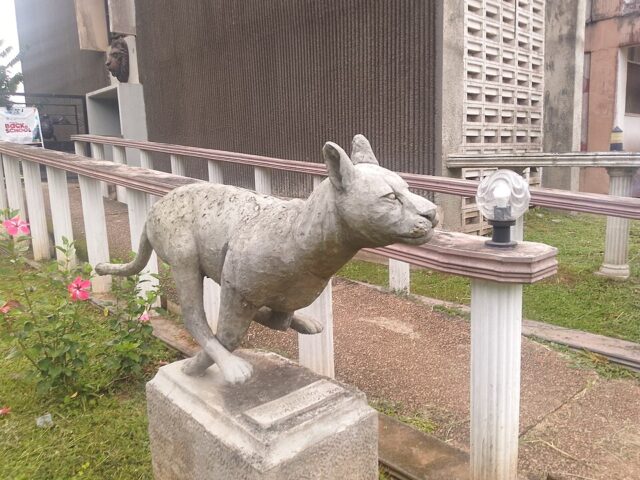
Leopard symbolism has deep historical roots in Africa and Asia. Ancient Egyptian priests wore Leopard skins or painted imitations in funerary ritual; African royal traditions used Leopard imagery to express authority; Asian art and folklore developed additional meanings around ferocity and wilderness. These histories are more specific than the modern phrase “Leopard spirit animal.”
Leopard spirit animal: quick meaning
| Core meanings | Stealth, independence, adaptability, hidden power, beauty, confidence |
|---|---|
| Shadow meanings | Secrecy, isolation, predation, manipulation, excessive self-reliance |
| Spirit animal lesson | Let strength remain quiet when display would waste energy |
| Power animal themes | Adaptability, confidence, privacy, strategic action, resilience |
| Repeated sightings | Notice privacy, adaptability and what is operating outside obvious view |
What does a Leopard symbolize?
The Leopard symbolizes stealth because camouflage and solitary hunting are central to its survival. Spiritually, this becomes discretion: some goals are better protected while they are being developed.
Clouded Leopard spiritual meaning
The Clouded Leopard is not simply a smaller Leopard. It belongs to the genus Neofelis and is especially adapted to forested environments in South and Southeast Asia. As a modern symbolic image, it can represent hidden movement, balance, arboreal confidence and the ability to navigate unstable or layered environments without drawing attention.
Because demand for a separate Clouded Leopard spiritual meaning page is minimal, it is better treated here as a related feline correspondence. Leopard symbolism emphasizes stealth and adaptability across many habitats, while Clouded Leopard symbolism naturally adds elevation, balance and life lived partly above the obvious path.
Adaptability is equally important. Leopards occupy forests, savannas, mountains and even landscapes near human settlement. Their modern symbolism therefore supports flexibility more convincingly than a rigid personality label.
The spotted coat created strong visual symbolism. In ancient Egypt, real or imitation Leopard skins became ritual garments, connecting the animal with priesthood, regeneration and the crossing between life and death.
Leopard as spirit animal, totem and power animal
As a modern spirit animal, Leopard often becomes meaningful when a person needs confidence without publicity. The symbol asks whether an important transition can be allowed to mature before it is explained to everyone.
People drawn to Leopard symbolism may value autonomy and strategic thinking. The shadow is secrecy becoming avoidance or believing that needing other people is a weakness.
As a power-animal image, Leopard can support adaptation and quiet boundary-setting. Its strength lies in choosing when to reveal itself rather than remaining permanently hidden.
The word totem belongs to culturally specific Indigenous systems and should not be treated as a universal synonym for spirit animal.
What does it mean when you see a Leopard?
A wild Leopard encounter is rare and requires wildlife safety. For most people, Leopard symbolism arrives through dreams, ritual imagery, art or cultural objects.
A Leopard hidden in vegetation can symbolize potential or information not yet fully visible. One resting openly may suggest confidence that no longer needs concealment.
Repeated Leopard imagery may concern independence or strategic timing, but cultural exposure should be considered before interpreting repetition as an omen.
Leopard meaning in love, relationships and dreams
In relationships, Leopard symbolism can represent attraction, independence and privacy. The shadow is withholding so much that intimacy becomes impossible.
In dreams, a stalking Leopard can symbolize hidden pressure or a powerful desire approaching awareness. A sleeping Leopard may represent dormant power or trust in one’s own ability.
A Leopard skin can carry a different meaning from the living animal, especially in Egyptian or African contexts where the pelt itself became a ritual or status object.
Leopard skins, Egyptian priests and ritual regeneration
Ancient Egyptian sem-priests are repeatedly depicted wearing Leopard skins during funerary rituals. The Metropolitan Museum explains that the pelt served as a powerful symbol of regeneration, particularly in rites performed for the dead.
The Pyramid Texts and later funerary traditions connect Leopard-skin garments with royal and priestly transformation. Surviving examples were sometimes made from painted linen rather than actual pelts, showing that the symbolic pattern itself could be ritually sufficient.
African and Asian cultures developed other Leopard meanings involving kingship, warrior status, danger and wilderness. These should be studied regionally rather than merged into a single worldwide Leopard doctrine.
The practical lesson of the Leopard
- Privacy: What deserves protection while it develops?
- Adaptability: Which environmental change requires a different strategy?
- Confidence: Can strength exist without being announced?
- Relationship: Where has independence become emotional distance?
- Shadow: Are you being discreet or avoiding accountability?
Leopard symbolism becomes strongest when concealment is temporary and purposeful. The animal knows how to disappear, but it also knows when to act. Its spiritual lesson is strategic visibility rather than permanent secrecy.
Books, sources and further reading
Templum Dianae’s Kemetism material and Egyptian Symbols collection provide relevant context for priestly Leopard imagery. Witchcraft for Beginners can be used separately for modern personal animal correspondences.
Continue through Egyptian Symbols & Meanings and Mammal Symbolism.
Historical sources: Pyramid Texts; Egyptian funerary and Opening of the Mouth imagery; regional African and Asian Leopard traditions.
Web References
- Metropolitan Museum of Art, Leopard-skin robe of Harnedjitef: https://www.metmuseum.org/art/collection/search/567608
- Global Egyptian Museum, Leopard head and sem-priest symbolism: https://www.globalegyptianmuseum.org/record.aspx?id=15106
- Egypt Museum, Leopard Skin & Priesthood: https://egypt-museum.com/leopard-skin-priesthood/
- https://commons.wikimedia.org/wiki/File:A_work_depicting_a_leopard.jpg