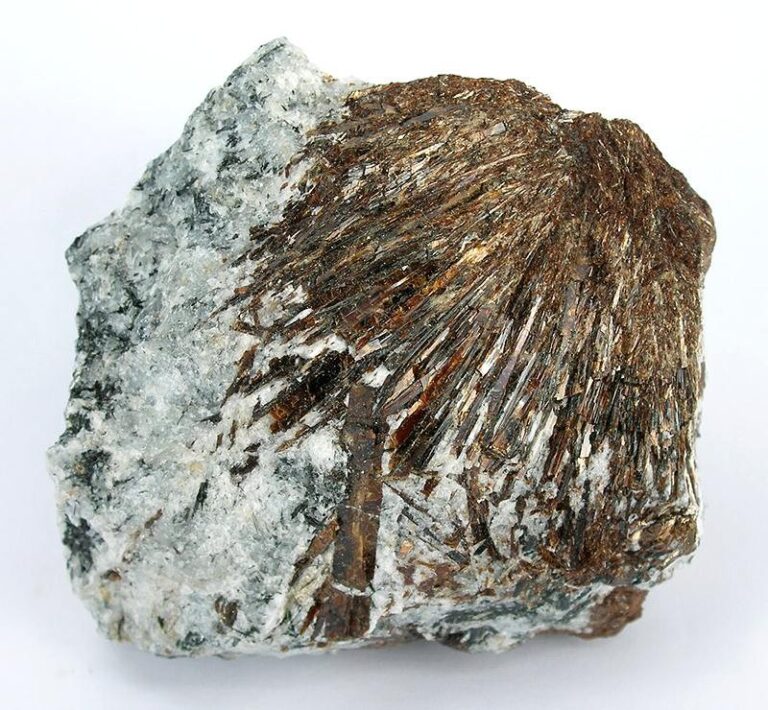
Yellow crystals and stones range from pale lemon and straw tones to honey, canary, mustard and golden yellow. Modern crystal practice commonly associates yellow stones with confidence, optimism, mental clarity, personal agency and constructive visibility.
This guide is part of the Crystal Healing encyclopedia. Color is used here as a navigation and symbolism layer, not as a substitute for mineral identification, treatment disclosure or individual care.
Yellow Crystals and Stones: Quick Guide
| Common symbolism | Confidence, optimism, clarity, agency, visibility |
|---|---|
| Typical appearance | Lemon yellow, straw, honey, canary, golden yellow |
| Popular examples | Citrine, Yellow Jasper, Yellow Sapphire, Heliodor, Yellow Calcite |
| Common uses | Confidence, study, goal-setting, solar-plexus practices |
| Related colors | Gold, Orange, Clear |
What Do Yellow Crystals Symbolize?
Yellow is strongly associated with sunlight, alertness and visibility. Contemporary crystal traditions often translate those visual associations into confidence, focus, optimism and the willingness to act.
Yellow stones are mineralogically diverse. Citrine is a yellow quartz variety, Yellow Sapphire is corundum, Heliodor is beryl and Yellow Calcite is calcium carbonate. Their shared hue does not give them the same hardness, durability or care requirements.
Why Do Some Crystals Look Yellow?
Yellow coloration can arise from iron-related defects or inclusions, trace elements and structural effects. Quartz, calcite, beryl and corundum can all produce yellow specimens through different mechanisms.
Because the same color can occur in unrelated minerals, color should be combined with hardness, luster, cleavage, crystal habit, transparency and provenance when identifying a specimen.
Best Yellow Crystals and Stones
Citrine
Citrine is the best-known yellow quartz variety and is commonly associated with confidence, prosperity, creativity and constructive optimism.
Yellow Jasper
Yellow Jasper is an opaque yellow to ochre microcrystalline quartz material often used symbolically for steadiness, endurance and grounded confidence.
Yellow Sapphire
Yellow Sapphire is yellow corundum. Its high hardness distinguishes it physically from softer yellow crystals used mainly as specimens or ritual objects.
Heliodor
Heliodor is yellow to golden beryl and is naturally suited to solar symbolism because of its bright, transparent appearance.
Yellow Calcite
Yellow Calcite is a softer yellow carbonate mineral commonly used in modern practice for confidence, learning and gentle motivational symbolism.
Yellow Crystals vs Gold Crystals
Yellow describes a broad body color from pale lemon to deep honey, while gold crystals usually emphasize metallic, highly reflective or distinctly golden appearances. Citrine can overlap both groups; Pyrite fits gold much better than yellow.
How to Use Yellow Crystals
- For confidence: use Citrine or Yellow Jasper as a visible cue before presentations, planning sessions or deliberate action.
- For study: place a yellow stone near a study area when its bright color helps reinforce alertness and focus.
- For abundance symbolism: compare yellow stones with the broader Crystals for Money & Abundance guide.
- For jewelry: prioritize hardness, treatment and setting; Yellow Sapphire is more durable than Calcite.
Yellow Crystals and the Solar Plexus Chakra
Yellow stones are frequently linked with the Solar Plexus Chakra in modern chakra systems, especially for themes of confidence, will, decision-making and personal agency.
How to Choose a Yellow Crystal
Choose Citrine for quartz, Yellow Jasper for an opaque earthy stone, Yellow Sapphire for a hard gemstone, Heliodor for yellow beryl, or Yellow Calcite for a softer carbonate. For jewelry, compare hardness and treatment history before choosing by symbolism.
Yellow Crystals FAQ
What is the most popular yellow crystal?
Citrine is the most familiar yellow crystal in modern collections, although Yellow Jasper, Yellow Sapphire and Heliodor are also common.
Are yellow and gold crystals the same?
They overlap, but yellow describes body color while gold often implies a warmer golden or metallic appearance.
Is every yellow quartz natural Citrine?
No. Commercial Citrine may be naturally colored or produced by heating Amethyst or Smoky Quartz material, so treatment disclosure is useful.