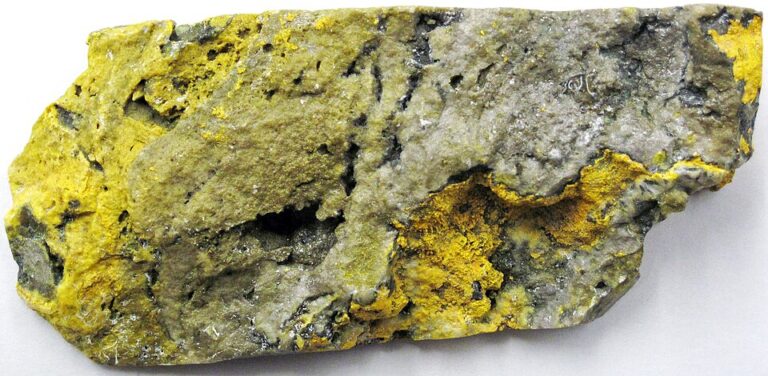
Orange crystals and stones include warm minerals and gem materials ranging from pale peach and amber-orange to vivid tangerine, burnt orange and red-orange. In modern crystal practice, orange stones are commonly associated with creativity, enthusiasm, sociability, pleasure and forward movement.
This guide is part of the Crystal Healing encyclopedia. It groups stones by visible color for navigation and symbolism, while keeping mineral identity, structure, treatments, hardness and care separate.
Orange Crystals and Stones: Quick Guide
| Common symbolism | Creativity, enthusiasm, pleasure, sociability, momentum |
|---|---|
| Typical appearance | Peach, amber-orange, tangerine, burnt orange, red-orange |
| Popular examples | Carnelian, Orange Calcite, Fire Opal, Amber, Goldstone |
| Common uses | Creativity, motivation, sacral-chakra practice, joyful rituals |
| Closest related colors | Red, Scarlet, Yellow, Gold |
What Do Orange Crystals Symbolize?
Orange sits visually between red and yellow, so contemporary symbolism often combines red’s active quality with yellow’s brightness. In crystal practice this commonly becomes a language of creativity, confidence, pleasure and constructive momentum.
Orange materials span very different mineral and gem families. Carnelian is chalcedony, Orange Calcite is a carbonate, Fire Opal is hydrated silica, and Amber is fossilized plant resin rather than a mineral crystal.
Why Do Some Crystals Look Orange?
Orange can be produced by iron-related coloration, inclusions, structural effects or organic chemistry depending on the material. Because the cause differs from stone to stone, color should be used as a visual category rather than a mineral identification test.
Color alone is not a reliable mineral identification method. Two stones can look similar while differing greatly in composition and durability, and the same mineral can occur in several colors because of trace elements, inclusions, defects, treatments or optical effects.
Best Orange Crystals and Stones
Carnelian
Carnelian ranges from orange to red-orange and is one of the most recognizable warm-colored chalcedony varieties. It is commonly associated with courage, creativity and action.
Orange Calcite
Orange Calcite has a softer, often waxy to vitreous appearance and is widely used in modern crystal practice for creativity and emotional movement.
Fire Opal
Fire Opal can show yellow, orange and red body color. Unlike many play-of-color opals, fire opal is often appreciated primarily for its vivid warm body color.
Amber
Amber is fossilized resin rather than a mineral. Its honey-to-orange appearance makes it a common member of color-based crystal collections despite its organic origin.
Goldstone
Goldstone is a man-made glass with reflective inclusions. It should be identified clearly as manufactured even though it is widely used in modern crystal practice.
Orange Crystals for Creativity and Motivation
Carnelian, Orange Calcite and Sunstone are frequently chosen in modern practice when the intention centers on creative action, visibility or renewed enthusiasm. For goal-oriented work, color symbolism is most useful when paired with a concrete practice such as journaling, planning or repeated creative sessions.
How to Use Orange Crystals
- For creative work: use Carnelian or Orange Calcite as a visual cue before writing, painting or other repeated creative sessions.
- For motivation: keep a warm-colored durable stone in a workspace where its symbolism reinforces a specific action.
- For sacral-chakra practice: choose orange stones when following a color-based modern chakra system.
- For jewelry: compare hardness, porosity and organic versus mineral material before choosing a cleaning method.
Orange Crystals and the Sacral Chakra
Orange stones are commonly associated with the Sacral Chakra in modern chakra systems because that center is linked symbolically with creativity, emotion, pleasure and adaptability.
How to Choose a Orange Crystal
Choose Carnelian for durable orange chalcedony, Orange Calcite for a softer translucent carbonate, Sunstone for aventurescent feldspar, Fire Opal for vivid opal color, or Amber for an organic gem material. The right cleaning method depends on the material, not the orange color.
Orange Crystals FAQ
What is the best-known orange crystal?
Carnelian is one of the most recognizable orange stones in modern crystal collections, with Orange Calcite and Sunstone also common.
Is Amber a crystal?
No. Amber is fossilized plant resin, but it is often included in crystal and gemstone collections because of its long decorative and symbolic history.
Are Orange Calcite and Carnelian the same?
No. Orange Calcite is calcium carbonate and is relatively soft; Carnelian is microcrystalline quartz and is considerably harder.