How to Read Tarot Cards for Yourself in 3 easy steps is the fastest way to go from “I’m confused” to “I actually get what this spread is saying.” If you’ve ever pulled a card and wondered whether you’re reading the truth or just your hopes, this guide is for you.
Welcome. Here you’ll learn a simple, repeatable method to read for yourself with more clarity—without trying to memorize everything at once, and without turning tarot into a stressful guessing game.
In this article you’ll discover:
- How to read tarot cards for yourself with a clear step-by-step method
- The structure behind tarot card meanings (so they make sense, not just keywords)
- How tarot spreads work—and how to start using them confidently
- … and much, much more!
Keep reading, because once you understand the structure, tarot becomes less “mystery” and more useful guidance.
If you want to explore more about Templum Dianae meditation for woman energy—with deeper guidance, practical protocols, and feminine spiritual tools—follow this page
How to Read Tarot Cards
When you’re new to tarot, reading the cards can feel confusing — and reading for yourself can be even harder. You’re trying to remember dozens of tarot cards meanings, you notice symbols you don’t fully understand yet, and your mind keeps asking: “Am I interpreting this… or just guessing what I want to hear?” That’s normal. Tarot is a language, and at the beginning it can feel like learning to read all over again.
And the truth is: self-readings come with extra “noise.” You’re not looking at the cards from a neutral distance—you’re inside the story. If you’re anxious, the mind grabs onto fear-cards. If you’re hopeful, it clings to comfort-cards. Sometimes you pull a card and immediately argue with it. Sometimes you pull a “good” card and still don’t trust it. That doesn’t mean tarot isn’t working. It means you’re human, and you care about the outcome.
This is why structure matters. Tarot isn’t only intuition—it’s also a system: the deck has patterns, the suits speak different “languages,” and the numbers show how an energy evolves. When you learn to read with a simple method, you stop relying on random keywords and start seeing the message in context: what the card is pointing to, what it’s warning you about, and what your next step could be.
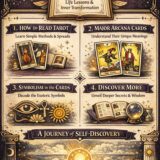
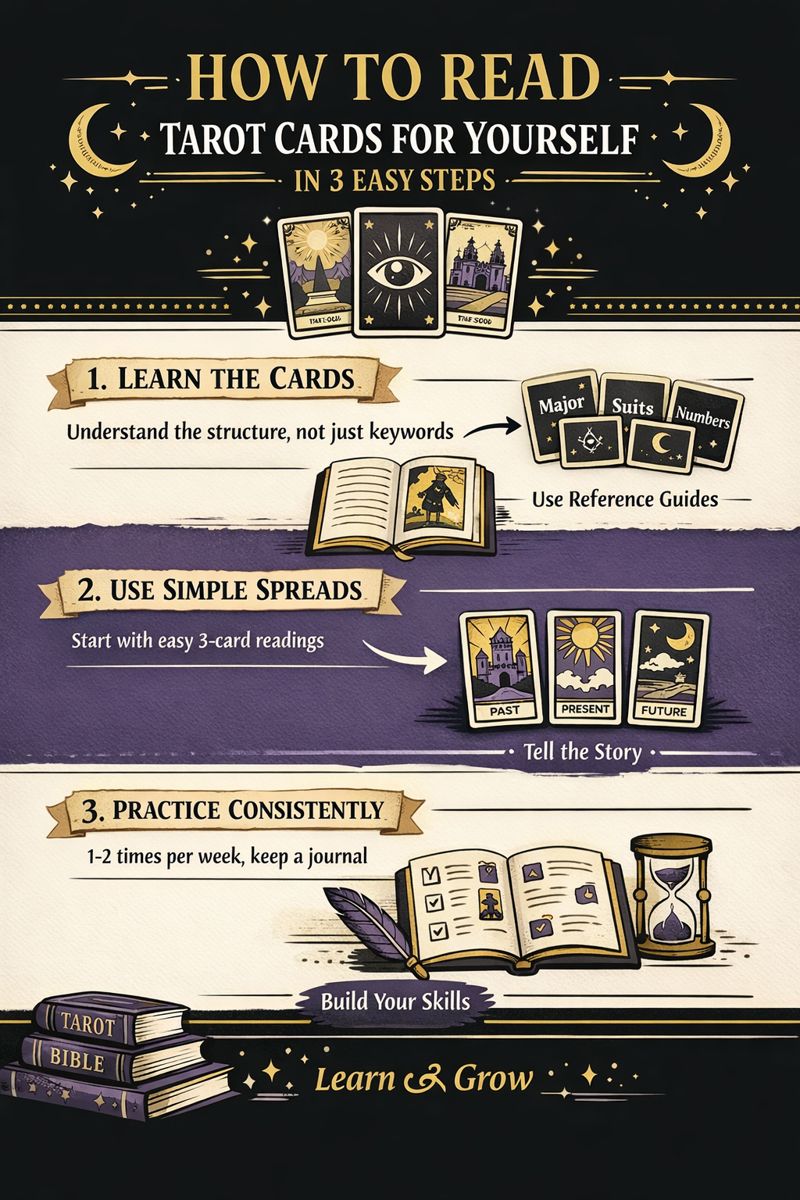
Here are three simple steps to start reading tarot in a way that feels easy and consistent:
1 Memorize Tarot Meanings Fast
Most people freeze in front of the cards for one simple reason: they think memorizing 78 tarot cards must be hard. And if you try to do it the wrong way—like cramming random keywords into your brain—it is hard. You end up frustrated, second-guessing every pull, and feeling like tarot is only for “gifted” people.
The self-destructive trap is trying to learn tarot in two days. That mindset doesn’t build skill—it builds anxiety. Even experienced readers don’t rely on memory alone. Many of the best tarot readers still keep reference guides nearby for unusual combinations, special cases, or when a reading needs precision.
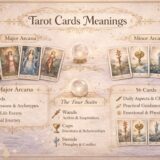
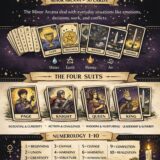
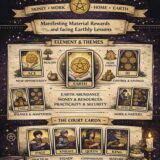
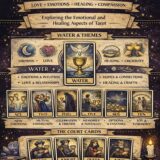
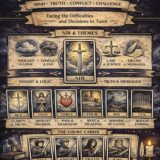
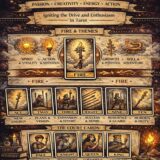
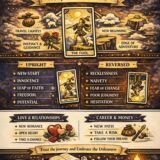
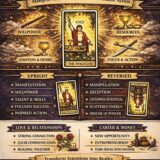
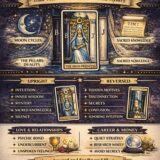
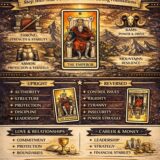
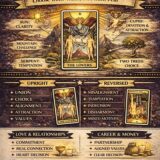
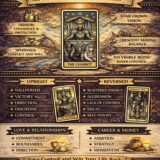
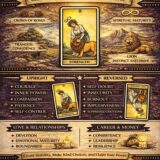
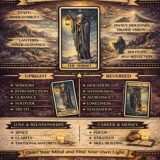
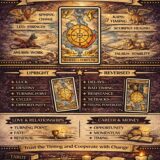
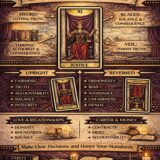
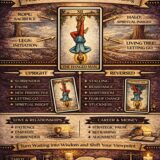
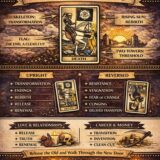
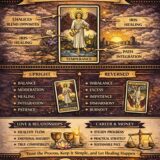
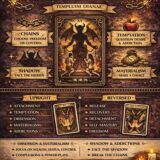
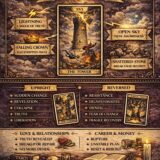
The fastest way to “memorize” tarot is not brute force. It’s structure. When you understand how the deck is built—Major vs Minor Arcana, the four suits, numbers 1–10, and the court cards—the meanings stop being isolated facts and start becoming a system. You can learn that structure inside this guide to tarot cards meanings, and on Templum Dianae you’ll find clear references for every card, with core keywords organized to support memory and real readings.
Reading after reading, these meanings sink in naturally—until you realize you don’t need to force memorization anymore.
2 Use the Right Spreads
A lot of people don’t get stuck because they “don’t understand tarot.” They get stuck because they choose spreads that are too complex too soon. Ten-card layouts, dozens of positions, “hidden influences,” “karmic blocks,” “timelines”… and then you pull the cards and your brain goes blank—especially when you’re supposed to explain how all the cards connect.
Here’s the uncomfortable truth: many complicated spreads exist because they look impressive. Some readers use them to create authority and mystique, not because they’re the easiest way to get a clear answer. Complexity can be useful later, but at the beginning it often creates noise.
The simplest way to start is the classic three-card spread: past / present / future. It gives you structure without overwhelming you, and you can read each card on its own—without forcing heavy correlations or overthinking combinations.
Then, as your experience grows, something clicks. You’ll realize the most effective way to combine cards isn’t to “calculate” them—it’s to tell a story. Each card becomes a scene, a character, a motive, a turn in the plot. It may sound strange at first, but tarot is a moving world: the characters act, react, and evolve. With practice, you’ll feel that motion—and your readings will start to flow naturally.
3 Stay Consistent
The biggest mistake most beginners make isn’t “reading wrong.” It’s stopping too soon. They do a few spreads, feel uncertain, and quit—right before the meanings start to become natural. Tarot is a skill built through repetition, not a test you pass in one weekend.
You don’t need to do ten readings a day. In fact, that often creates confusion and emotional overload—especially when you’re reading for yourself. Even one or two spreads per week is enough, as long as you stay consistent. What matters is giving your mind regular contact with the cards so the patterns sink in.
A simple way to accelerate progress is keeping a tarot journal. Write the date, the question, the cards you pulled, and a few lines about what you think they mean. Then come back later and note what actually happened. That feedback loop trains your intuition and your logic at the same time.
Keep going, day after day (or week after week). Consistency turns tarot from “something you try” into something you can actually read.
Tarot Books for Reading the Cards
If you want to level up faster, a good tarot book is like having a calm mentor on your desk. It gives you structure, deeper meanings, and reliable guidance when a card (or combination) feels unclear. The “Tarot Reading Bible” by Templum Dianae is built exactly for this: practical reading insights, clear keywords, and deeper interpretations you can return to again and again. If you want a strong reference that also helps you grow beyond basic meanings, you can find it here.