A mysterious meeting of sunlight and stonework inside a historic English church has become the subject of a public appeal for evidence. At St Mary’s Church in Itchen Stoke, Hampshire, a patterned labyrinth can catch light from the windows in ways that have prompted questions about whether its design was intended to mark a special date or carry symbolic meaning.
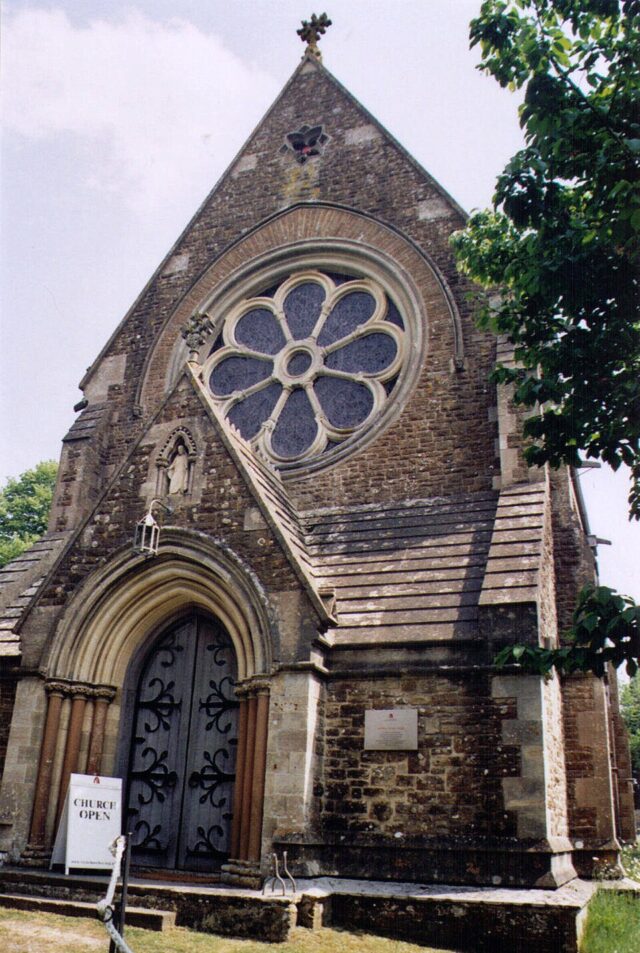
The Churches Conservation Trust’s appeal, reported on October 11, 2026, concerns a labyrinth made from approximately 1,500 green and brown glazed tiles. Its route is arranged across eleven concentric circuits and extends roughly five metres in diameter. Unlike a maze, a traditional labyrinth has a continuous path rather than wrong turns and dead ends.
The pattern was previously concealed by an altar table. With the floor exposed, observers noticed a striking beam of light that sometimes points toward the centre of the design. The event is visually arresting, but whether it reflects a deliberate solar alignment remains unproven.
Changes in daylight are produced by geometry: the position of the sun, the direction of windows and the building’s architecture. If the light reliably reaches a particular part of the labyrinth at a particular date or hour, researchers could document that pattern. Establishing intentional design would still require evidence from the history of construction and the people who planned the space.
Victoria Green, involved in caring for the church, has encouraged observations from visitors across different times of day. Repeated records could show whether the apparent arrow is an occasional coincidence, a regularly predictable effect or part of a larger relationship between architecture and sunlight.
The labyrinth is believed to have been inspired by the famous design in Chartres Cathedral, in France. That connection is important to the cultural story. In Christian settings, walking a labyrinth may represent prayer, reflection or a symbolic pilgrimage, but meanings differ between communities and periods.
The site has attracted the interest of people following St James’ Way and other routes of spiritual travel. That contemporary use provides real evidence about what the place means to visitors today, although it cannot determine the precise intentions of earlier builders.
Mysteries involving ancient geometry easily attract extraordinary claims. Here, the testable question is much more useful: when does the light fall, which windows produce it, and what can historical plans tell us? The conservation group’s invitation to gather observations offers a way to replace speculation with a growing record.
Until such an investigation is completed, the labyrinth is a genuine historical puzzle rather than proof of a hidden astronomical code. Its appeal lies in the meeting of sacred architecture, everyday sunlight and questions that careful observation may eventually answer.
References
- HeritageDaily, October 11, 2026, St Mary’s labyrinth appeal: https://www.heritagedaily.com/2026/10/church-appeals-for-help-deciphering-mysterious-labyrinth/159539
- The Churches Conservation Trust: https://www.visitchurches.org.uk/