A November 20, 2026, walking tour of the British Museum invited visitors to retrace the influence of its galleries and historic reading room on the British occult revival. Organized through Treadwell’s and led by esoteric-history specialist Caroline Wise, the event connected museum collections to the writers and societies that shaped modern ceremonial magic.
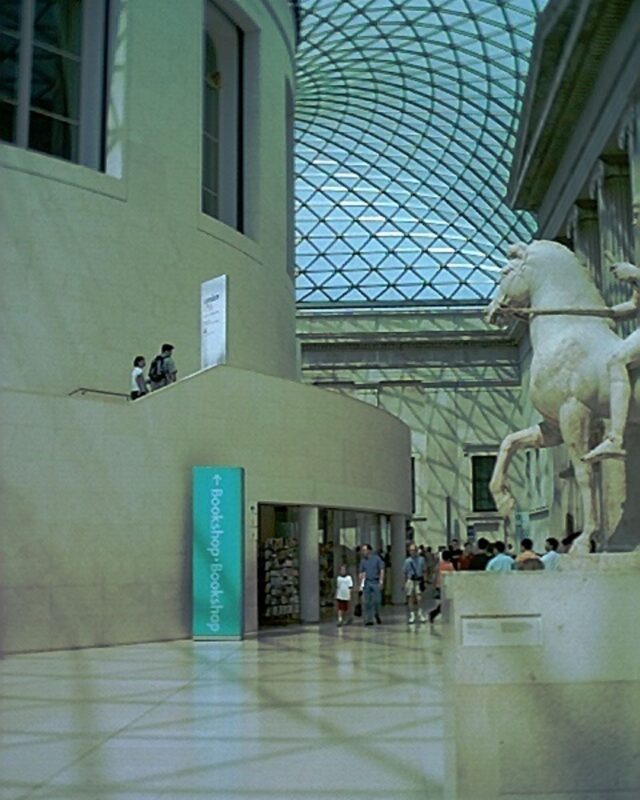
The event listing describes a two-and-a-half-hour route focused on the late nineteenth century and its aftermath. Researchers, artists and self-described magicians gathered in the museum’s reading room, examined ancient objects and read translations of historical texts. Their encounters with Egyptian, Assyrian, Roman and British materials provided intellectual and imaginative resources for new occult systems.
That distinction between ancient object and modern interpretation is essential. An amulet found in an archaeological collection may be genuine evidence of a past belief, while a ritual devised by a Victorian occult society is evidence of modern reinterpretation. Neither should automatically be presented as a continuously transmitted ceremony from antiquity.
According to the program, Wise’s tour discussed figures and movements associated with the Hermetic Order of the Golden Dawn, Florence Farr, Dion Fortune, Helena Blavatsky and John Dee, while exploring how pagan deities were represented in the museum. The historical people and organizations did not share one uniform doctrine, and their interests ranged across scholarship, mysticism, theater and ritual practice.
The focus on women matters because histories of the revival often concentrate on a small number of famous male occultists. Farr and Fortune, for example, belong to different phases of modern esoteric history and should be studied as authors and participants in their own right rather than simply as figures in someone else’s story.
The tour itself is a cultural event, not an archaeological discovery or an endorsement by the British Museum of supernatural claims. Its significance lies in drawing attention to how public collections can influence living communities and new meanings long after an artifact’s original use has ended.
For further historical context, Templum Dianae has examined how original witch-trial records challenge later folklore. The museum tour illuminates the other side of the historical process: the deliberate creation of modern magical traditions from older material.
References