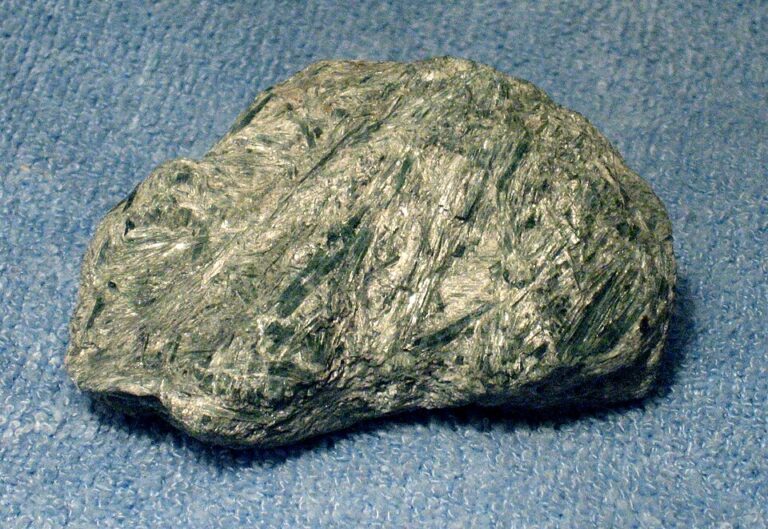
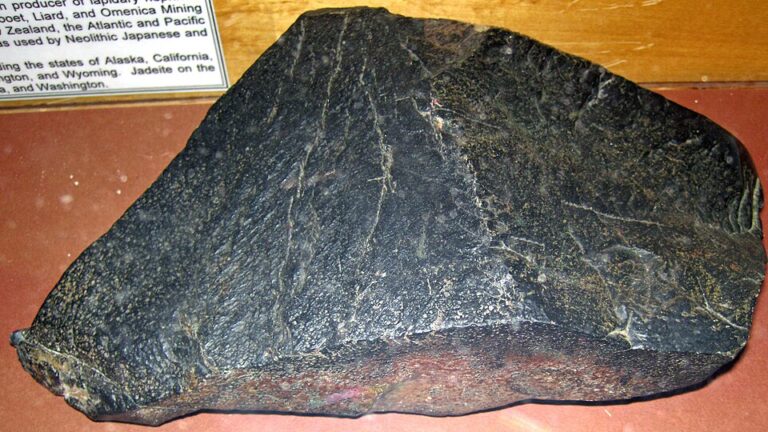
Black crystals and stones include minerals, volcanic glass and other natural materials whose visible color ranges from jet black and charcoal to deep brown-black and metallic black. In modern crystal practice, black stones are commonly associated with grounding, protection, boundaries, stability and the ability to focus attention inward.
This color guide is part of the Crystal Healing encyclopedia. Color is useful for navigation and symbolism, but it does not make physically different stones equivalent: mineral identity, structure, hardness, treatments and care always matter more than color alone.
Black Crystals and Stones: Quick Guide
| Common symbolism | Grounding, protection, boundaries, stability, focus |
|---|---|
| Typical appearance | Jet black, charcoal, black-brown, metallic black |
| Popular examples | Black Tourmaline, Black Onyx, Obsidian, Black Kyanite, Black Sapphire |
| Common uses | Grounding practices, protective symbolism, meditation, boundary work |
| Common chakra theme | Root Chakra |
What Do Black Crystals Symbolize?
Black is often used symbolically for containment, depth, seriousness and protection. In contemporary crystal traditions, that symbolism is commonly extended to practices centered on grounding, personal boundaries and reducing distraction. This does not mean every black stone has the same traditional associations: Black Tourmaline, Onyx, Obsidian and Black Sapphire come from different geological families and should be understood individually.
Darker color can arise for very different reasons. Black Tourmaline is commonly the iron-rich tourmaline variety schorl, while Obsidian is volcanic glass rather than a mineral crystal. Some black stones are opaque; others are translucent at thin edges or show bands, sheen or flashes under strong light.
Best Black Crystals and Stones
Black Tourmaline
Black Tourmaline is one of the best-known black stones. In modern spiritual practice it is strongly associated with grounding, protection and firm boundaries. Mineralogically, tourmaline is a complex borosilicate group rather than a single simple mineral.
Black Onyx
Black Onyx is traditionally grouped with chalcedony and is valued for its smooth, dark appearance. Contemporary symbolism often emphasizes composure, endurance and self-control. Because commercial black onyx may be treated to deepen its color, identification and disclosure matter.
Obsidian
Obsidian is naturally formed volcanic glass. Its glossy black surface and conchoidal fracture make it visually distinct from most crystalline minerals. In modern crystal use it is commonly chosen for reflection, protection and confronting difficult material directly.
Black Kyanite
Black Kyanite often forms bladed or fan-like aggregates. It is used symbolically for grounding and clearing while retaining the directional, structured appearance associated with kyanite.
Black Sapphire
Black Sapphire is a dark variety of corundum. Compared with softer decorative stones, sapphire is notably hard, which makes mineral identity especially relevant when the stone is used in jewelry.
Black Moonstone
Black Moonstone combines a dark body color with the feldspar family’s optical character. In modern practice it is often chosen when lunar or reflective symbolism is wanted without the pale appearance of typical moonstone.
Black Crystals for Protection and Grounding
Black Tourmaline, Black Onyx and Obsidian are frequently selected for protective or grounding symbolism. For a broader intention-based comparison, see Crystals for Protection. A useful rule is to choose the individual stone first, then use its color as a secondary symbolic layer rather than assuming all black materials behave or mean the same thing.
Black Crystals and the Root Chakra
Modern chakra systems often place black, dark red and earthy stones near the Root Chakra because the chakra is associated with stability, embodiment and security. Black Tourmaline, Onyx and some dark volcanic stones frequently appear in this context.
How to Use Black Crystals
- Grounding: hold a durable black stone during meditation or keep one on a desk as a tactile cue to return attention to the present.
- Boundaries: use Black Tourmaline or Onyx in symbolic practices centered on limits, privacy and deliberate focus.
- Reflection: glossy Obsidian can serve as a visual focus for journaling or contemplative work.
- At home: place a black stone where its symbolic function makes sense, such as an entryway, workspace or meditation area, while following the mineral’s individual care requirements.
How to Choose a Black Crystal
Choose Black Tourmaline for a strongly mineral, often striated appearance; Onyx for smooth chalcedony; Obsidian for glossy volcanic glass; Black Kyanite for bladed texture; or Black Sapphire when hardness and jewelry use matter. Check whether a specimen is natural, dyed, coated or otherwise treated, and clean it according to its actual mineralogy rather than a generic “black crystal” rule.
Black Crystals FAQ
What is the most popular black crystal for protection?
Black Tourmaline is one of the most frequently used choices in modern crystal practice, with Obsidian and Black Onyx also common.
Is Obsidian a crystal?
Mineralogically, no. Obsidian is natural volcanic glass, although it is conventionally included in crystal and stone collections.
Are all black crystals safe to cleanse in water?
No. Water resistance depends on the material, fractures, coatings and associated minerals. Use the care instructions for the specific stone rather than its color category.