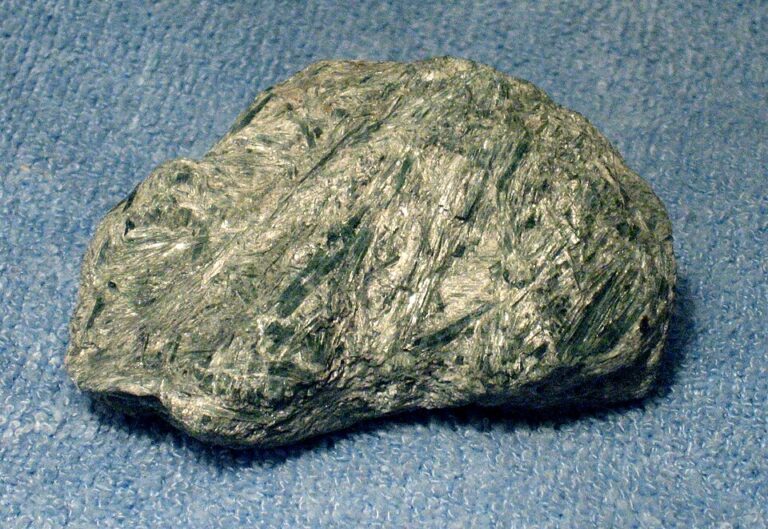
Green crystals and stones cover a wide spectrum from pale mint and apple green to moss, forest, emerald and blue-green tones. Modern crystal practice commonly associates green stones with growth, renewal, balance, prosperity, compassion and connection with the natural world.
This guide is part of the Crystal Healing encyclopedia. Color is used here as a navigation and symbolism layer, not as a substitute for mineral identification, treatment disclosure or individual care.
Green Crystals and Stones: Quick Guide
| Common symbolism | Growth, renewal, balance, prosperity, compassion |
|---|---|
| Typical appearance | Mint, apple green, moss, forest, emerald, blue-green |
| Popular examples | Emerald, Peridot, Green Calcite, Green Tourmaline, Green Opal |
| Common uses | Heart-centered practice, growth symbolism, abundance, emotional balance |
| Related colors | Olive, Turquoise, Blue |
What Do Green Crystals Symbolize?
Green is strongly connected culturally with plants, spring growth and fertile landscapes. Modern crystal symbolism frequently extends those associations to renewal, abundance, emotional balance and compassionate relationships.
Green color appears in many unrelated mineral families. Malachite is a copper carbonate, Emerald is beryl, Peridot is gem-quality olivine, Green Calcite is calcium carbonate and Green Tourmaline belongs to the tourmaline group.
Why Do Some Crystals Look Green?
Copper, chromium, vanadium, iron and other elements can contribute to green colors in minerals, while inclusions and structural effects can also change appearance. The cause of color therefore varies substantially among green stones.
Because the same color can occur in unrelated minerals, color should be combined with hardness, luster, cleavage, crystal habit, transparency and provenance when identifying a specimen.
Best Green Crystals and Stones
Emerald
Emerald is the famous green variety of beryl and is traditionally associated with renewal, love and prosperity.
Peridot
Peridot is gem-quality olivine and often shows a distinctive yellow-green to olive-green body color. Modern symbolism emphasizes renewal, confidence and letting go.
Green Calcite
Green Calcite is a soft carbonate mineral commonly associated with emotional ease, renewal and heart-centered reflection.
Green Tourmaline
Green Tourmaline ranges from pale to deep green and is commonly used symbolically for growth, vitality and balanced emotional expression.
Green Opal
Green Opal is a green form of opal whose hydration and lower hardness require more careful handling than quartz or beryl.
Green Crystals for Growth and Abundance
Green Aventurine, Malachite, Peridot and Emerald are frequently used in modern practice when the intention is growth, opportunity or abundance. For explicitly prosperity-focused practices, compare them with Crystals for Money & Abundance.
How to Use Green Crystals
- For heart-centered reflection: use a green stone during journaling or meditation on relationships, compassion or personal growth.
- For abundance: place Green Aventurine, Peridot or another durable green stone near a planning area as a symbolic cue for opportunity and growth.
- For nature-focused practice: use the green color as a visual bridge to seasonal or botanical symbolism.
- For jewelry: distinguish durable gems such as Emerald or Peridot from softer materials such as Calcite and Opal.
Green Crystals and the Heart Chakra
Green stones are strongly associated with the Heart Chakra in modern chakra systems. This color correspondence often places Emerald, Green Aventurine, Malachite and Green Calcite in practices centered on compassion and emotional balance.
How to Choose a Green Crystal
Choose Emerald for green beryl, Peridot for bright yellow-green olivine, Green Calcite for a softer carbonate, Green Tourmaline for transparent tourmaline, or Green Opal for hydrated silica. The shade of green is secondary to mineral identity when durability and cleaning matter.
Green Crystals FAQ
What are popular green crystals?
Emerald, Peridot, Green Aventurine, Malachite, Green Tourmaline, Green Calcite and Green Opal are among the best-known examples.
What is the difference between green and olive crystals?
Green is the broad family; olive is a subdued yellow-green or brownish-green subset. Peridot and Serpentine can overlap both.
Are green crystals always linked to the Heart Chakra?
No universal rule exists, but green is the dominant color correspondence for the Heart Chakra in many modern systems.