Researchers have documented 280 Paleolithic engravings in the Cova de la Font Major, a Catalan cave that people had visited for decades without recognizing much of its ancient art. A report published by the journal Antiquity on November 5 says the newly studied motifs form one of the most substantial collections of Ice Age cave art known from Mediterranean Iberia. The disclosure shifts attention to an area long considered relatively poor in evidence of this type.
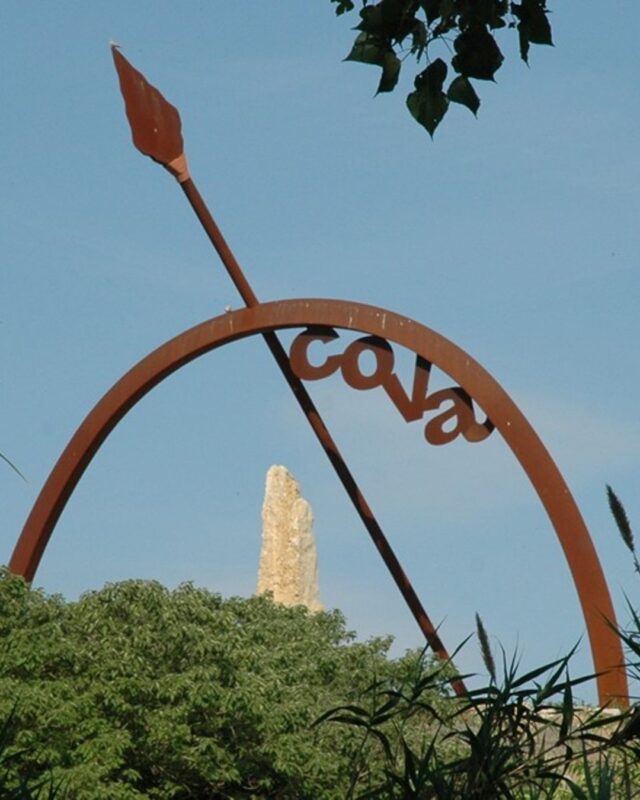
The motifs include numerous animal figures as well as lines and abstract signs. Some carvings appear in sections of the cave that have been accessible to visitors since the twentieth century. They are difficult to see because shallow grooves interact with the texture of the rock, and modern graffiti sometimes overlaps ancient markings. Careful illumination and documentation allowed researchers to identify figures that casual observers could easily miss.
The discovery is significant for a reason beyond the impressive count. Archaeological maps of visual culture depend on what has been found and recognized, not only on what past communities created. When hundreds of images emerge from a place believed to contain little prehistoric art, prevailing interpretations of the region’s cultural importance must be reconsidered. Researchers argue that the local artistic traditions may have been more distinctive than previously assumed.
What the engravings meant to their makers is not fully recoverable. Some animal forms are identifiable, but the symbolic or ritual interpretation of many signs is uncertain. Calling an image ‘mysterious’ reflects the limits of modern knowledge, not evidence that it was produced through paranormal means. Investigators need to consider style, spatial distribution, dating and comparisons with other sites before suggesting specific ceremonial purposes.
Conservation is also urgent. Tourist traffic and later markings have already intersected with prehistoric surfaces. The researchers’ work highlights the challenge of protecting marks whose significance was not immediately apparent. Similar problems of interpreting ancient signs recur across our coverage of anomalous archaeological finds and Roman sacred spaces, but the Catalan discovery has a particularly unusual modern history.
References